顯示具有 "會計/統計" 標籤的文章。 顯示所有文章

2014年11月20日 星期四

新書推薦-「Financial Accounting (Global Edition) 8/e」書評

 

新書推薦-「Financial Accounting (Global Edition) 8/e」書評


詳細介紹(點我)


 閱讀心得,心得感想,書評


內容簡介


  1.IFRS Coverage Anticipating a greater emphasis on International Financial Reporting Standards (IFRS) in the United States and recognizing its presence in more than 100 countries worldwide, we have integrated selected IFRS topics in appropriate chapters at a level suitable for introductory financial accounting.


  2.Comprehensive Problems Selected chapters include problems that cover topics from earlier chapters to refresh, reinforce, and build an integrative understanding of the course material.

 

作者介紹


作者簡介


Robert Libby


  現職:


  The University of Cornell University


Patricia A. Libby


  現職:


  The University of Ithaca College


Daniel Short


  現職:


  The University of Texas Christian


目錄


Ch1FinancialStatementsandBusinessDecisions

Ch2InvestingandFinancingDecisionsandtheAccountingSystem

Ch3OperatingDecisionsandtheAccountingSystem

Ch4Adjustments,FinancialStatements,andtheQualityofEarnings

Ch5CommunicatingandInterpretingAccountingInformation

Ch6ReportingandInterpretingSalesRevenue,Receivables,andCash

Ch7ReportingandInterpretingCostofGoodsSoldandInventory

Ch8ReportingandInterpretingProperty,Plant,andEquipment;Intangibles;andNaturalResources

Ch9ReportingandInterpretingLiabilities

Ch10ReportingandInterpretingBonds

Ch11ReportingandInterpretingOwners'Equity

Ch12StatementofCashFlows

Ch13AnalyzingFinancialStatements


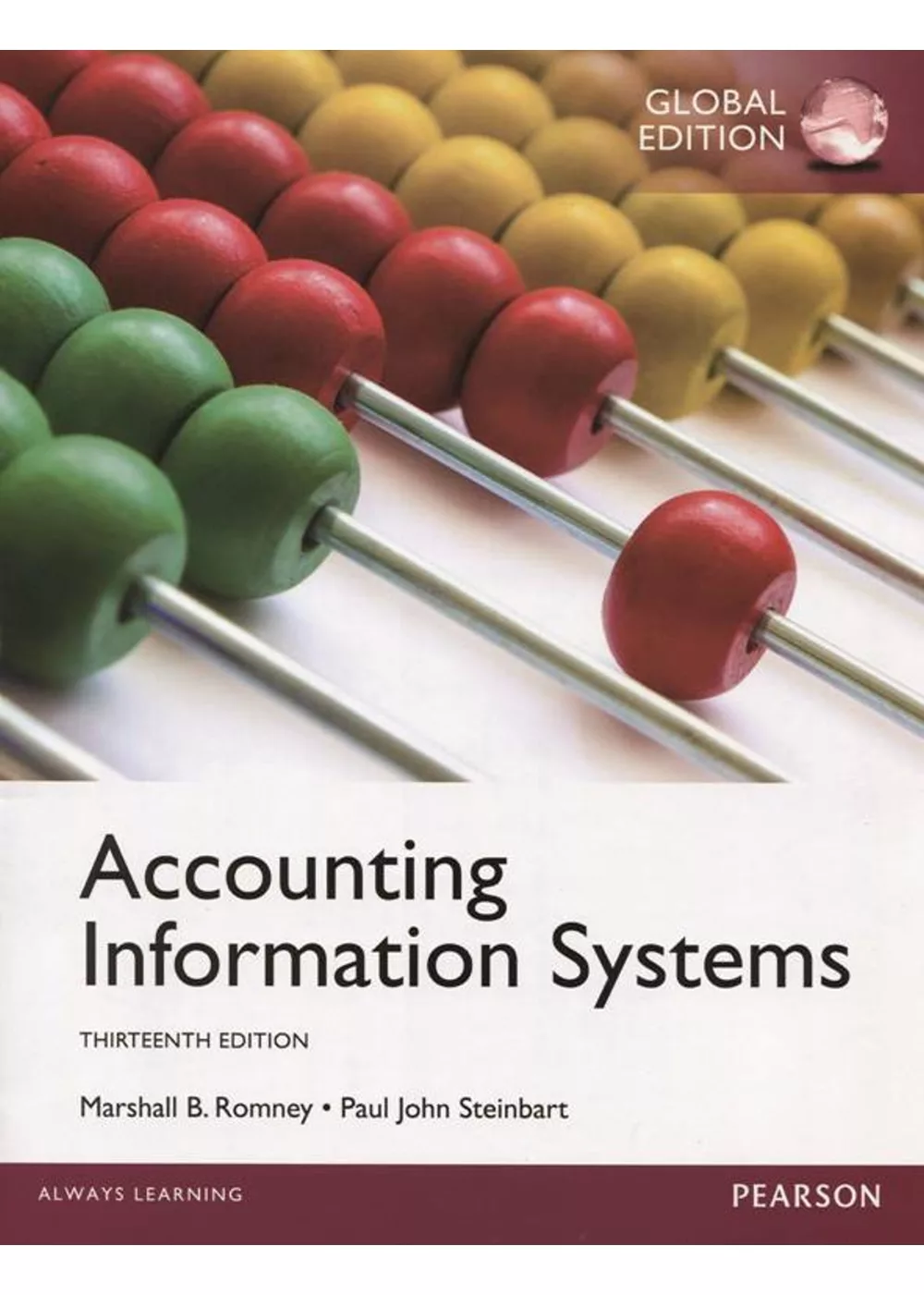
新書推薦-「Accounting Information Systems (GE) 13/e」書評


新書推薦-「Accounting Information Systems (GE) 13/e」書評


詳細介紹(點我)


 閱讀心得,心得感想,書評


內容簡介


  1.Integrated chapter-opening cases introduce important material and reinforce key concepts.


  2.A real-world view in the focus boxes and real-world examples help students understand how companies are using the latest IT developments to improve their AIS.


   3.Up-to-date information covers critical topics


   4.Students get numerous opportunities to practice and hone their skills, and check themselves for understanding:


  •Hands-on Excel exercises, many based on “how-to” tutorials that appeared in recent issues of the Journal of Accountancy, help readers hone their computer skills.


  •Numerous problems in every chapter provide additional opportunities to demonstrate mastery of key concepts.


  •Cases in each chapter encourage reader to delve deeper into specific topics.


  •Chapter quizzes let readers self assess their understanding of the material. Detailed explanations about the correct answer to each quiz question are provided.


  •Extensive use of graphics enhances students’ understanding of the concepts through hundreds of figures, diagrams, flowcharts, and tables.


   5.Instructors get the flexibility to tailor the material to fit their individual course needs.


  •Chapters can be easily reordered to focus on the material most appropriate to individual courses.


作者介紹


作者簡介


Marshall B Romney


  現職:


  Brigham Young University


Paul J Steinbart


  現職:


  Arizona State University


目錄


Part I: Conceptual Foundations of Accounting Information Systems

Ch 1 Accounting Information Systems: An Overview

Ch 2 Overview of Transaction Processing and Enterprise Resource Planning Systems

Ch 3 Systems Documentation Techniques

Ch 4 Relational Databases


Part II: Control and Audit of Accounting Information Systems

Ch 5 Computer Fraud

Ch 6 Computer Fraud and Abuse Techniques

Ch 7 Control and Accounting Information Systems

Ch 8 Controls for Information Security

Ch 9 Confidentiality and Privacy Controls

Ch10 Processing Integrity Availability Controls

Ch11 Auditing Computer-Based Information Systems


Part III: Accounting Information Systems Applications

Ch12 The Revenue Cycle: Sales to Cash Collections

Ch13 The Expenditure Cycle: Purchasing to Cash Disbursements

Ch14 The Production Cycle

Ch15 The Human Resources Management and Payroll Cycle

Ch16 General Ledger and Reporting System


Part IV: The REA Data Model

Ch17 Database Design Using the REA Data Model

Ch18 Implementing an REA Data Model in a Relational Database

Ch19 Special Topics in REA Modeling


Part V: The Systems Development Process

Ch20 Introduction to Systems Development; Systems Analysis

Ch21 AIS Development Strategies

Ch22 Systems Design, Implementation, and Operation


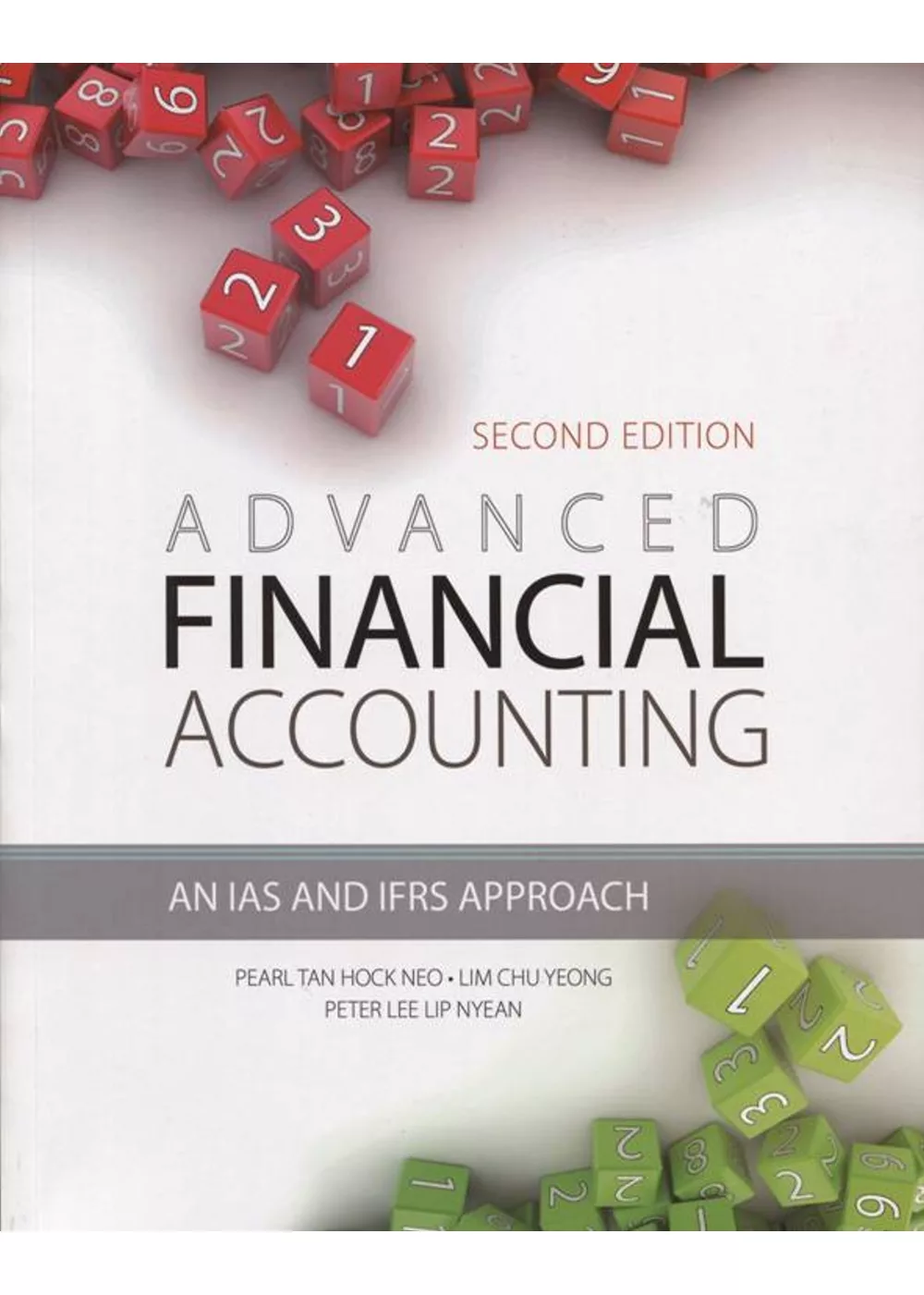
新書推薦-「Advanced Financial Accounting:An IAS and IFRS Approach 2/e」書評


新書推薦-「Advanced Financial Accounting:An IAS and IFRS Approach 2/e」書評


詳細介紹(點我)


 閱讀心得,心得感想,書評


內容簡介


  New Features


  1.New material on IFRS 10 Consolidated Financial Statements.


  2.Expanded material and more illustrative examples and explanation on Accounting for Business Combinations and Non-Controlling Interests under IFRS 3 as well as processes relating to consolidation of multi-level group structures.


  3.Enhanced explanations on consolidation and equity accounting processes to help students navigate through more complex problem solving.


  4.Inclusion of the most recent amendments to existing standards including the revised IAS 27 Separate Financial Statements.


  5.Expanded material and in-depth explanations of changes in ownership interests: loss of control, business combinations achieved in stages and changes in ownership interests without change in control.


  6.Addition of updates on IFRS 9 Classification and Measurement, Hedge Accounting and Expected Credit Loss.


作者介紹


作者簡介


Pearl Tan Hock Neo


  現職:


  Singapore Management University


Lim Chu Yeong


  現職:


  Singapore Management University


Peter Lee Lip Nyean


  現職:


  Nanyang Technological University


目錄


Ch1RiskReporting

Ch2GroupReportingI:ConceptsandContext

Ch3GroupReportingII:ApplicationoftheAcquisitionMethodunderIFRS3

Ch4GroupReportingIII:AccountingforBusinessCombinationsandNon-ControllingInterestsunderIFRS3inPost-AcquisitionPeriods

Ch5GroupReportingIV:ConsolidationunderIFRS10

Ch6GroupReportingV:EquityAccountingunderIAS28

Ch7GroupReportingVI:SpecialIssues

Ch8AccountingfortheEffectsofChangesinForeignExchangeRates

Ch9FinancialInstruments:Classification,RecognitionandMeasurement

Ch10AccountingforDerivativesandHedgeAccounting

Ch11AccountingforTaxesonIncome

Ch12EarningsPerShare

Ch13Share-basedPayment


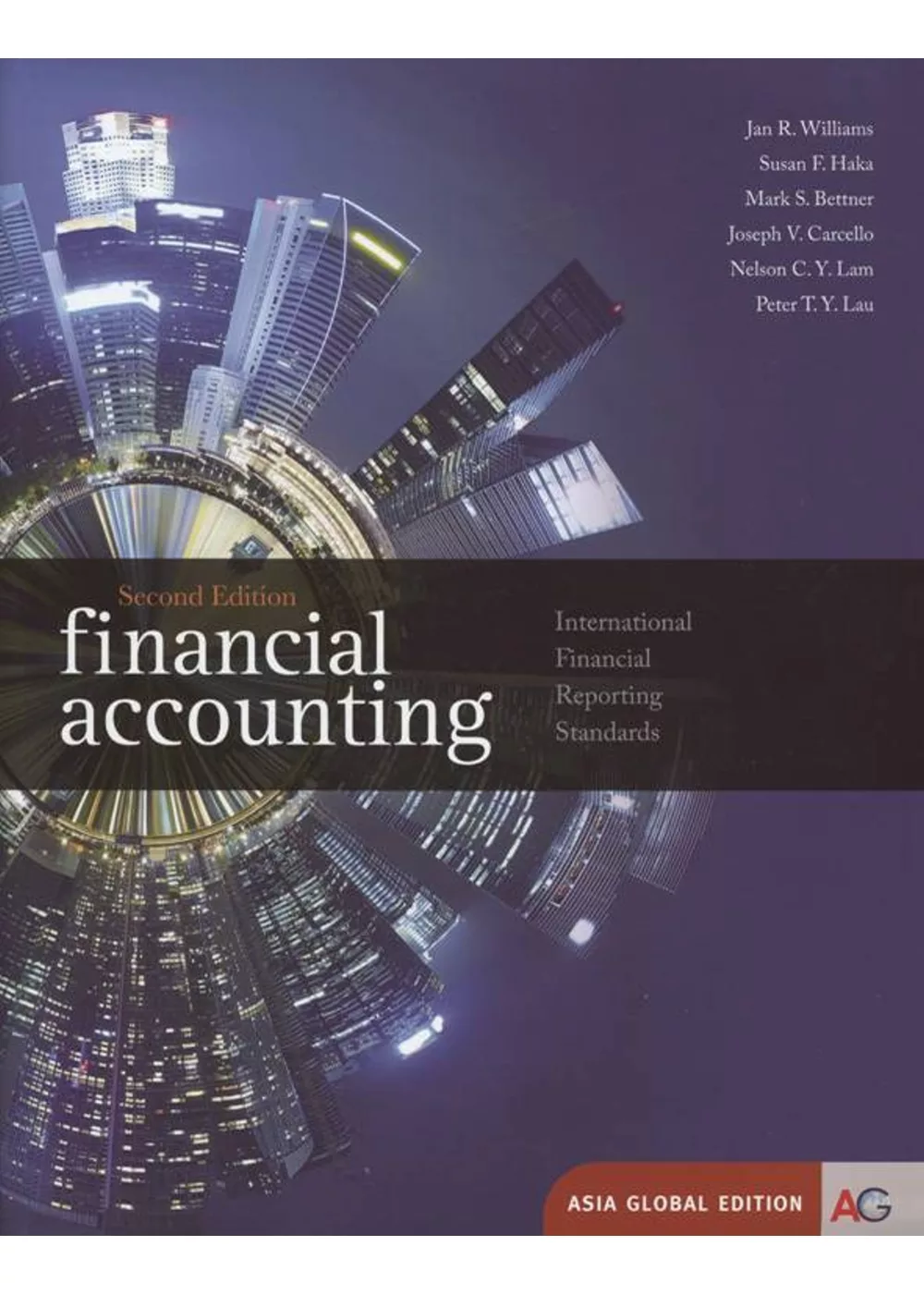
新書推薦-「Financial Accounting IFRS (Asia Global Edition) 2/e」書評


新書推薦-「Financial Accounting IFRS (Asia Global Edition) 2/e」書評


詳細介紹(點我)


 閱讀心得,心得感想,書評


內容簡介


  1.A focus on International Financial Reporting Standards (IFRS) and IFRS-reporting companies, including HSBC, Singapore Airlines, and Adidas.


  2.Updated chapter opening cases ground the theme of that chapter in a real-life example, such as Philips, Cathay Pacific Airways, and Sinopec.


  3.A section on Ethics, Fraud and Corporate Governance in every chapter that focuses student’s awareness on situations involving ethical breaches, frauds, and negative corporate governance implications.


  4.Comprehensive case studies, problems, and exercises that challenge student’s understanding and critical thinking.


  End-of-Chapter Reviews summarize the learning objectives and key accounting terms of each chapter.


作者介紹


作者簡介


Jan R. Williams


  現職:


  University of Tennessee


Susan F. Haka


  現職:


  Michigan State University


Mark S. Bettner


  現職:


  Bucknell University


Joseph V. Carcello 


  現職:


  University of Tennessee


Nelson C. Y. Lam


  現職:


  Accounting Development Foundation Limited


Peter T. Y. Lau


  現職:


  Hong Kong Baptist University


目錄


Ch1Accounting:informationfordecisionmaking

Ch2Basicfinancialstatements

Ch3Theaccountingcycle:capturingeconomicevents

Ch4Theaccountingcycle:accrualsanddeferrals

Ch5Theaccountingcycle:reportingfinancialresults

Ch6Merchandisingactivities

Ch7Financialassets

Ch8Inventoriesandthecostofgoodssold

Ch9Property,plant,andequipment,intangibleassets,andnaturalresources

Ch10Liabilities

Ch11Shareholder'sequity:capital

Ch12Profitandchangesinretainedearnings

Ch13Statementofcashflows

Ch14Financialstatementanalysis

Ch15Globalbusinessandaccounting


2014年11月18日 星期二

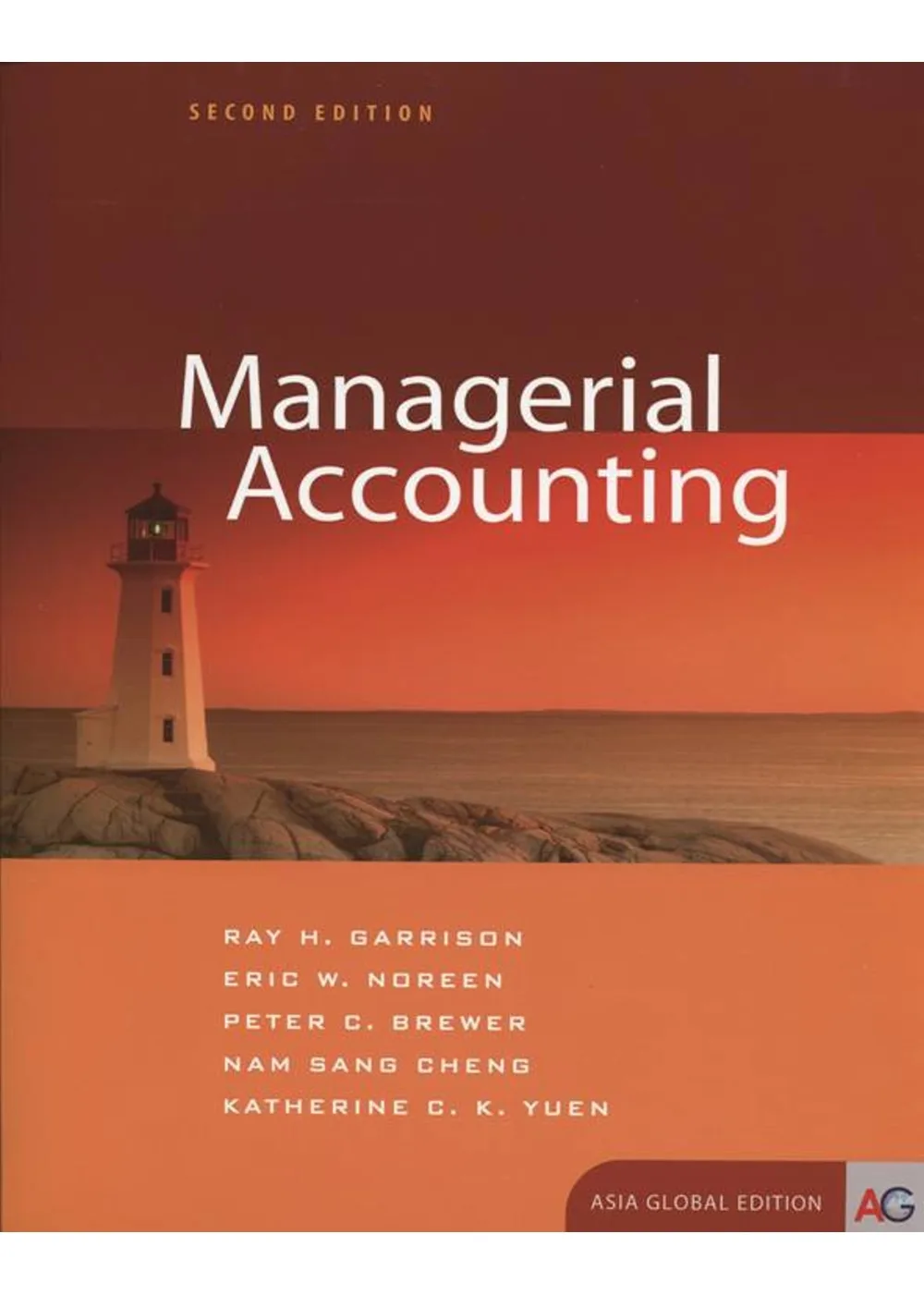
新書推薦-「Managerial Accounting:An Asian Perspective 2/e」書評


新書推薦-「Managerial Accounting:An Asian Perspective 2/e」書評


詳細介紹(點我)


 閱讀心得,心得感想,書評


內容簡介


  Managerial Accounting:An Asia Perspective builds on the foundation of the market leading text, Managerial Accounting by Garrison, Noreen, and Brewer. It identifies the three functions managers must perform within their organizations – plan operations, control activities, and make decisions – and explains what accounting information is necessary for these functions, how to collect it, and how to interpret it.


作者介紹


作者簡介


Ray H. Garrison


  現職:


  Brigham Young University


Eric W. Noreen


  現職:


  University of Washington


Peter C. Brewer


  現職:


  Wake Forest University


Cheng Nam Seng


  現職:


  Singapore Management University


Katherine Yuen


  現職:


  Singapore Management University


目錄


Ch1ManagerialAccounting:AnOverview

Ch2ManagerialAccountingandCostConcepts

Ch3Job-OrderCosting

Ch4ProcessCosting

Ch5Cost-Volume-ProfitRelationships

Ch6VariableCostingandSegmentReporting:ToolsforManagement

Ch7Activity-BasedCosting:ATooltoAidDecisionMaking

Ch8MasterBudgeting

Ch9FlexibleBudgetsandPerformanceAnalysis

Ch10StandardCostsandVariances

Ch11PerformanceMeasurementinDecentralizedOrganizations

Ch12DifferentialAnalysis:TheKeytoDecisionMaking

Ch13CapitalBudgetingDecisions

Ch14StatementofCashFlows

Ch15FinancialStatementAnalysis

AppendixAPricingProductsandServices

AppendixBProfitabilityAnalysis


2014年11月13日 星期四

新書推薦-「SAS 123(第八版)」書評


新書推薦-「SAS 123(第八版)」書評


詳細介紹(點我)


 閱讀心得,心得感想,書評


內容簡介


  本書使用功能強大的SAS統計套裝軟體,有系統的由淺入深學習,進而熟練操作SAS統計與分析。


本書特色如下


  SAS程式指令及各項軟體操作之技巧均以例題示範,對分析結果亦詳盡的解說,並附程式光碟可驗證學習。


  每章之後均附有選擇題與練習題及其解答,以便讀者自我測試對該內容了解的程度。


  本書所舉之範例,選擇題或練習題均根據作者多年來教學與顧問之經驗而擬定的,因此非常適合列為大專院校《SAS統計分析系統》或者《統計學實習》課程之教材,本書亦可為《統計學》、《工程統計學》、《實驗設計》、《迴歸分析》等課程的參考書籍,更是統計分析者不可多得的自學書籍。


目錄


第一章 為什麼要學SAS?

第二章 如何開始自學SAS?

第三章 如何準備SAS資料?

第四章 如何將原始資料轉成SAS資料檔?

第五章 如何加強SAS程式及其輸出報表之可讀性?

第六章 在SAS資料檔中確認資料

第七章 資料的重整

第八章 如何從SAS資料檔中選取變項或觀測體?

第九章 巡迴式和條件式的資料轉換

第十章 SAS資料檔之建構與重整

第十一章 描述性統計值之計算-MEANS程序之妙用

第十二章 描述性統計值之計算與繪圖-UNIVARIATE程序之妙用

第十三章 資料之圖示法-GCHART程序之妙用

第十四章 類別數據之分析-FREQ程序之妙用

第十五章 兩個母體平均數是否相等之統計檢定-TTEST程序之妙用

第十六章 變異數分析-GLM程序之妙用

第十七章 無母數檢定-NPAR1WAY程序之妙用

第十八章 你想瞭解資料所呈現的趨勢嗎?-試試GPLOT程序

第十九章 相關分析-CORR程序之妙用

第二十章 迴歸分析-REG程序之妙用

附錄A 如何使用ODS系統(Output Delivery System)

附錄B 如何將SPSS、Excel、Stata、Minitab及SYSTAT資料檔轉換為SAS資料檔

附錄C 參考書籍、求助熱線、網際網路資源及SAS使用者研討會資訊

附錄D 資料檔的說明 (附在本書贈送的光碟片)


2014年11月1日 星期六

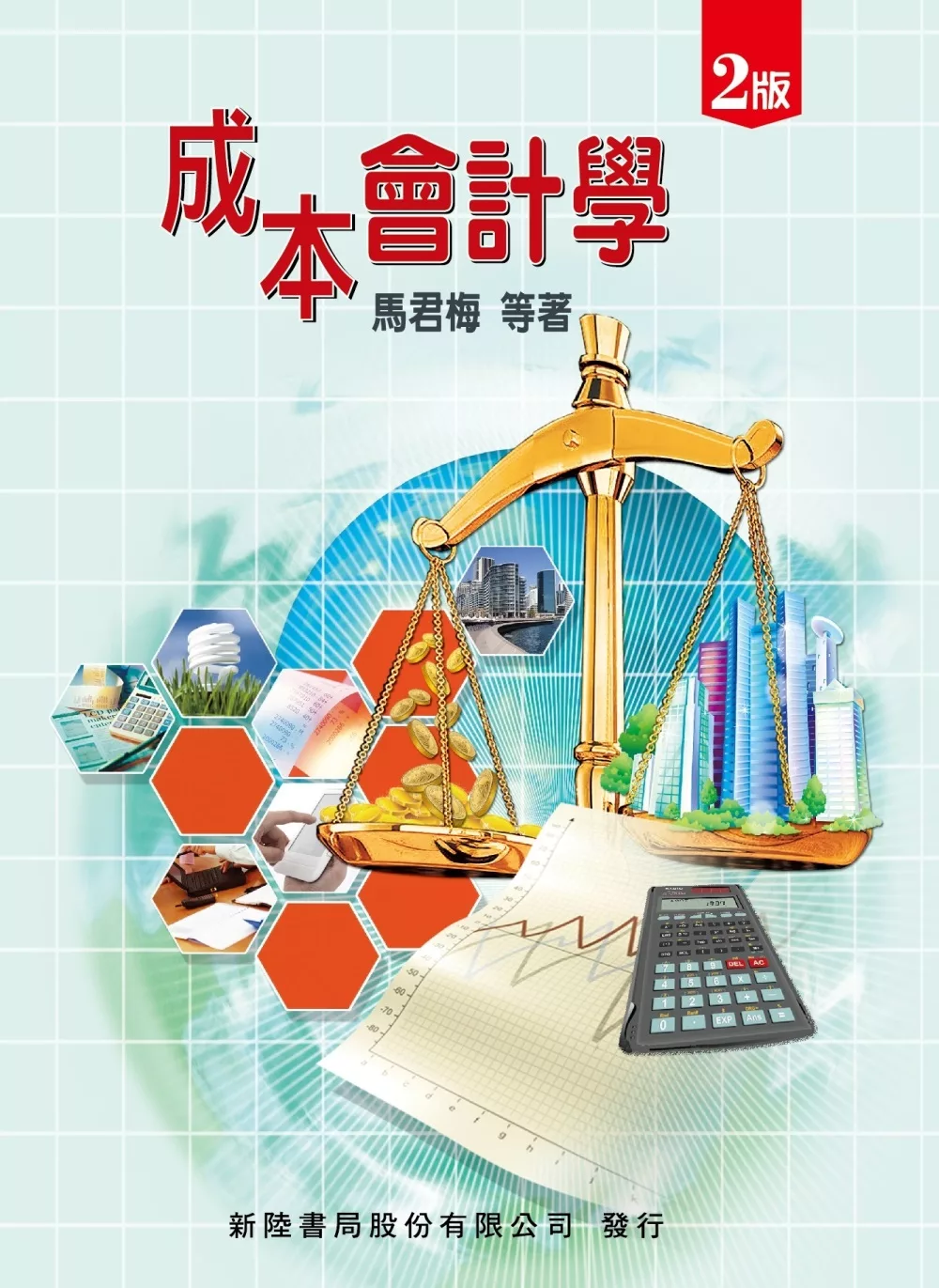
新書推薦-「成本會計學2/E(2版)」書評


新書推薦-「成本會計學2/E(2版)」書評


詳細介紹(點我)


 閱讀心得,心得感想,書評


內容簡介


  本書旨在闡明企業之成本流程、成本制度及成本資訊系統,以協助管理者運用成本資訊作規劃、控制與決策。


教材內容包括:


  成本概念及標的;

  成本彙集;

  各成本要素的規劃及控制;

  標準成本法;

  各成本制度的會計處理等。


作者介紹


作者簡介


馬君梅(東吳大學會計系教授)


  詹乾隆(東吳大學商學院院長)


  東吳大學專任教師群

  柯瓊鳳

  吳燕瑛

  陳專塗

  廖素娟

  謝永明

  楊惠雅


目錄


第1章 成本會計概論

第2章 成本制度與成本彙集

第3章 分批成本法

第4章 分步成本法

第5章 副產品、聯產品與生產損失之成本計算

第6章 成本習性分析

第7章 材料:規劃、控制與會計處理

第8章 人工:規劃、控制與會計處理

第9章 製造費用:規劃、分攤與會計處理

第10章 製造費用:部門化

第11章 標準成本法:設定標準與差異分析

第12章 標準成本法會計處理


新書推薦-「現代統計學2/E(2版)」書評


新書推薦-「現代統計學2/E(2版)」書評


詳細介紹(點我)


 閱讀心得,心得感想,書評


內容簡介


  由淺入深,適合初學者學習。


  以實用性、有效學習為主要編寫目標。


  粹取統計學中基礎的部分以提起學生的學習意願與學習興趣。


  適合商學學院學生快速學習(適用4~6個學分的課程)


  本書共分為十章,一~三為敘述統計學;四~六為機率與統計原理;七、八章為推論統計學;九、十章為統計學的進階與應用。


  書末附有習題參考解答,可供同學在學習完畢之後,練習習題時參考,以增進同學的學習效果。


作者介紹


作者簡介


廖敏治


  學歷:

  政治大學統計博士


  現職:

  正修科技大學財務金融系副教授


蘇懿


  學歷:


  政治大學統計博士


  現職:

  正修科技大學國際企業系副教授


目錄


第1章 緒論

第2章 敘述統計學(I)—資料的獲取與圖表呈現

第3章 敘述統計學(II)—常用的參數與統計量

第4章 機率概論

第5章 常用的機率分配與統計分配

第6章 抽樣方法與抽樣分配

第7章 統計估計

第8章 統計檢定

第9章 變異數分析

第10章 迴歸分析


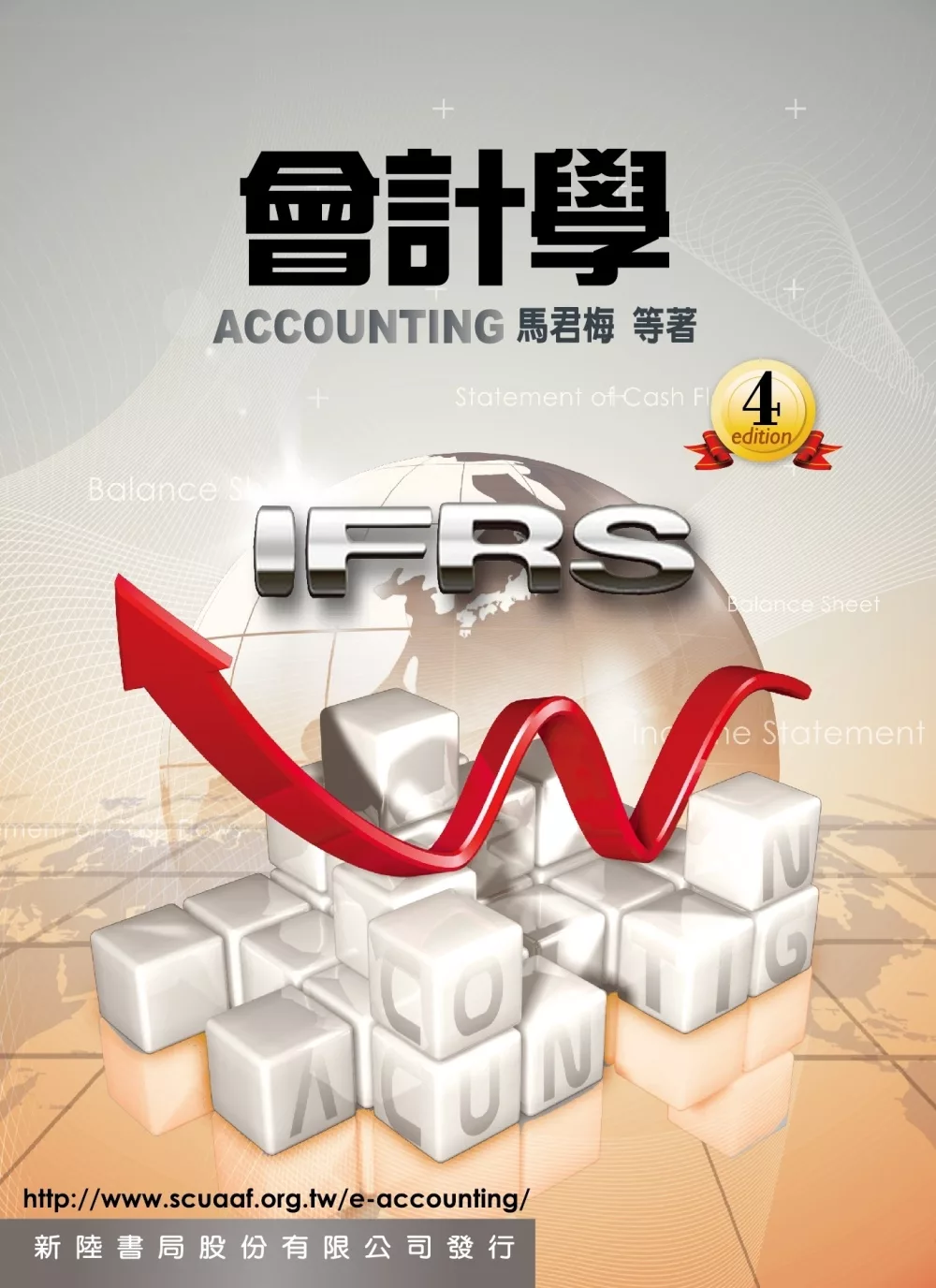
新書推薦-「會計學4/E(4版)」書評


新書推薦-「會計學4/E(4版)」書評


詳細介紹(點我)


 閱讀心得,心得感想,書評


內容簡介


  全球化時代的來臨, 資訊和資金之流通日益快速, 而國際財務報導準則(IFRSs)之推行,不僅在增加國際企業間財務報告之比較性,也為了降低企業於國際資本市場募資成本。目前,全世界已有超過一百五十個國家已要求或計畫要求當地企業直接採用IFRSs 編製財務報告,也就是說,IFRSs 已成為世界各國會計制度之主軸因應行政院金融監督管理委員會之規畫,國內符合第一階段公司已自102 年起依IFRSs 編製財務報告,符合第二階段公司則自104 年起依規辦理。同時,為建立全球中小企業之共同會計語言,主管機關亦積極研擬IFRS for SMEs。這些規制,不但影響財務報告的架構,也影響財務報導的內容與品質,因此,對企業經理人、資訊系統人員、會計和審計人員帶來莫大的挑戰。此外,財務報表是企業股東與投資大眾了解企業當年度營運狀況的重要指標,外部資訊使用者或是企業利害關係人,也需要瞭解IFRSs內涵,才能進行專業判斷。


  於此之際,在科技技術帶動之下,雲端、巨量資料、社群、以及行動等方面的開發及應用,對企業經營績效、盈餘-產生實質影響,促使全球企業積極從資料中發掘從未想像到的更多洞察力與價值,對於財務會計、稽核、數位鑑識,與會計評價等方面,帶來考驗與學習機會,期能分析出有助企業決策的資訊。


採用國際會計準則(IFRS),對既有會計處理的變革,臚列如下:


  從「損益導向」改為「資產‧ 負債導向」

  從「區分損益交易和資本交易」改為「綜合淨利益概念」

  收入認列部分,從「已實現觀點」改為「權利‧ 義務移轉基準」

  對於負債的性質及認列時點,從「權責發生制」改為「債務認識基準」

  從「保守原則」改為「公平價值」

  從「企業繼續經營之前提」改為「投資價值評價」

  合併報表部份,從「依母公司的立場」改為「依單一經濟個體立場」編製報表

  「 營運部門資訊」改為從企業管理面的角度揭露相關資訊減少金融商品處理複雜性


  由於IFRSs 對於財務報表之名稱並無強制規定,主管機關考量國內投資人已習慣使用資產負債表之名稱,在影響不重大及未違反規定等考量下,不修改報表名稱。報表名稱雖未改變,惟考量投資人之閱表習慣,並參考國外財務報表之表達格式,報表格式之內容則有些微改變。目前,國內中文教科書較多使用「財務狀況表」名稱,但是美國準則的英文教科書較多使用「資產負債表」,所以,本書採用「資產負債表」以呼應金管會規定


本版增修部分說明如下:


  配合國際會計準則,修改各章相關文字內容,有助於提升企業會計資訊透明度,便於國內企業至國際資本市場籌資

  更新國際會計準則第2 號公報規定,修定存貨淨變現價值低於成本之處理

  更新國內有關勞工保險普通事故保險費率及就業保險費率資料。

  更新債券及權益證券評價相關會計科目,配合國際會計準則之修正

  更新國內監理機關對於財務報表資訊需求目的,以及證券主管機關規範

  國內上市櫃公司之財務資料分析,並更新相關釋例

  新聞短訊全部更新,更加呈現時下企業實務運作情況

  各章習題部份增加新題庫,提供更新學習成果考核依據

  教學網站:www.scuaaf.org.tw/e-accounting/


作者介紹


作者簡介


馬君梅(東吳大學會計系教授)


  詹乾隆(東吳大學商學院院長)


  東吳大學專任教師群

  柯瓊鳳

  吳燕瑛

  陳專塗

  廖素娟

  謝永明

  楊惠雅


目錄


第一章 會計與商業環境

企業與會計

會計的概念

會計資訊的使用人及其關聯

會計範圍與職業


第二章 會計的基本概論

會計的基本概念

會計恆等式

財務報表

全球一致的會計準則

會計基本假設

附錄:財務報表綜合範例

��含「累積其他綜合損益」及「其他綜合損益」)


第三章 會計循環I 會計記錄程序

帳戶與借貸法則

會計記錄程序

會計記錄程序釋例


第四章 會計循環II 期末調整與財務報表的編製

會計期間與損益衡量

調整理由與類別

遞延項目調整

應計項目調整

調整後試算表及財務報表的編製

附錄:預付費用與預收收入的另一種調整方法


第五章 會計循環III 會計程序的完成

會計結帳程序

結帳程序釋例

回顧完整會計循環

分類財務狀況表

更正分錄

附錄一:財務狀況表的另一種表達方式

附錄二:工作底稿


第六章 e化會計學環境

會計資訊的產生

人工與電腦化會計循環

企業活動與資訊系統

會計與價值創造

電子化企業


第七章 買賣業會計

買賣業會計的基本概念

購進商品的會計處理

銷售商品的會計處理

買賣業的期末結帳與財務報表


第八章 現金

現金的意義及表達

現金管理

銀行調節表

零用金制度


第九章 應收帳款

應收款項的意義及種類

應收帳款的會計處理

備抵法壞帳金額的估計

應收票據的會計處理


第十章 存貨

存貨成本的決定

成本與淨變現價值孰低法的存貨評價

存貨估計方法


第十一章 不動產、廠房之設備

不動產、廠房及設備的性質與取得成本

不動產、廠房及設備的成本分攤

後續成本與資產減損的認列

不動產、廠房及設備的處分

天然資源與無形資產


第十二章 財務會計理論

影響會計準則制定的權威團體

財務報導的目標

會計資訊品質特性

財務會計的認列與衡量標準


第十三章 公司會計

公司股份發行與庫藏股交易

股東權益的表達與每股帳面金額

保留盈餘與每股盈餘

股利的會計處理


第十四章 負債

負債性質與類別

流動負債的會計處理

非流動負債

負債於報表的表達


第十五章 投資

投資目的及分類

債權證券投資會計處理

權益證券投資會計處理

投資期末評價與報表表達


第十六章 現金流量表

基本概念

現金流量表編製方法及格式

編製現金流量表—直接法

編製現金流量表─間接法

第十七章 財務報表分析

財務報表分析的觀念

動態的財務報表分析

共同比分析

比率分析的運用


新書推薦-「Eviews高手:財經計量應用手冊(附光碟)」書評


新書推薦-「Eviews高手:財經計量應用手冊(附光碟)」書評


詳細介紹(點我)


 閱讀心得,心得感想,書評


內容簡介


  本書是針對財經計量方法已有基礎的讀者撰寫的軟體工具書,因此,本書的重點在於讓撰寫財經實證論文的讀者,在資料載入完備後,提供一個資料分析的手冊。本書提供了一個系統化的程序,使得研究者可以透過「概念說明」及「實例操作」來深入財經計量方法的主要作業程序。


  全書依照財經資料特徵,分為三部分:橫斷面資料(yi)、時間序列資料(yt)、多變量資料(yit);每部分皆輔以二至三個章節論述,且以一個完整的資料檔貫穿全文,章節的編排與論文撰寫的順序一致,方便讀者在閱讀本書後,在財經實證論文的寫作上能更加輕易下筆。


  由於本書是實證研究的工具書,非計量經濟學論著,因此,對於各個章節主題,均依循著估計與檢定的架構撰寫。本書的內容有三個特點:


  1.其一是對Eviews人性化的資料庫功能做了基礎概略說明;其中針對一般使用者不常接觸使用卻又非常便利的ValMap功能,在此特別加以介紹。


  2.其二則是Eviews的多功能繪圖,與圖形的多元編輯功能。Eviews繪圖功能在7.0以後就有大幅的進步。本書對矩陣散佈圖與多維度呈現資料的功能,均加以介紹。


  3.第三是主題選取範圍涵蓋中高級領域。例如:State-Space Form、非對稱GARCH家族、多變量GARCH和內生性問題等等。並新增8.0的結構變動。


  最後,Panel Data的介紹包括了動態部分。但是,因為動態需要GMM估計,對此,本書以一個工具書的立場,沒有太詳細說明各估計方法下的動態工具變數宣告的差異。


  本書囊括了財經實證分析中常見且實用的計量方法,有利於讀者投稿與看懂財經實證國內外相關文獻。


作者介紹


作者簡介


何宗武


  現職

  世新大學財務金融學系 教授

  世新大學數量方法研究暨發展中心 主任


  學歷

  美國猶他大學(University of Utah)經濟學 博士


  專長

  國際金融、資產定價、應用計量方法、中國財經史


  經歷

  世新大學數量方法研究暨發展中心 主任

  世新大學財金系 教授

  世新大學財金系 副教授

  世新大學經濟系 副教授

  世新大學經濟系 助理教授


目錄


第一章 進入Eviews的環境

1-1 工作表單(Work Sheet Menu)

1-2 繪圖

1-3 單筆資料分析

1-4 多筆資料分析

1-5 增益集(Add-ins)


第一部份    單維資料N 橫斷面樣本yi i=1,2,……N

第二章 線性迴歸分析

2-1 迴歸原理與最小平方法

2-2 Eviews估計

2-3 檢定與診斷分析

2-4 逐步迴歸法(Stepwise LS Regression)


第三章 非線性模型NLS與MLE

3-1 非線性最小平方法(Nonlinear Least Square)

3-2 最大概似估計法(Maximum Likelihood Estimator)


第二部份    單維資料T 時間序列yt t=1,2,……T

第四章 時間序列初步Time Series Primer and ARMA

4-1 將時間序列資料載入Eviews

4-2 Eviews時間序列資料的基礎功能

4-3 時間序列性質分析

4-4 ARMA

4-5 列相關與檢定

4-6 ARMA結構具季節性

4-7 時間序列預測


第五章 波動分析

5-1 單變量對稱GARCH

5-2 單變量非對稱GARCH


第六章 內生性、工具變數法與GMM

6-1 內生性檢定與工具變數法

6-2 GMM (Generalized Method of Moments)


第三部份    雙維資料— N, T皆有yit

第七章 財經多變量

7-1 向量自迴歸VAR (Vector AutoRegression)

7-2 近似表面不相關SUR (Seemingly unrelated regression)

7-3 多變量GARCH (Multivariate GARCH)

7-4 State-Space Form


第八章 追蹤資料模型Analysis of Panel Data

8-1 原理

8-2 資料載入

8-3 單維模型(One-way error component regression)

8-4 檢定

8-5 雙維模型(Two-way error component regression)

8-6 異質變異問題與頑強共變異數(Robust Coefficient Covariance)

8-7 具內生性問題時的估計(Panel Data with Endogeneity)

8-8 動態追蹤資料模型(Dynamic Panel Data)


第九章 模型穩定性診斷與結構變動

9-1 檢定形式一:Empirical Fluctuation Process(efp)方法

9-2 檢定形式二:F Tests


2014年10月23日 星期四

推薦-Accounting Information Systems (GE) 13/e


推薦-Accounting Information Systems (GE) 13/e


詳細介紹(點我)


內容簡介


  1.Integrated chapter-opening cases introduce important material and reinforce key concepts.


  2.A real-world view in the focus boxes and real-world examples help students understand how companies are using the latest IT developments to improve their AIS.


   3.Up-to-date information covers critical topics


   4.Students get numerous opportunities to practice and hone their skills, and check themselves for understanding:


  •Hands-on Excel exercises, many based on “how-to” tutorials that appeared in recent issues of the Journal of Accountancy, help readers hone their computer skills.


  •Numerous problems in every chapter provide additional opportunities to demonstrate mastery of key concepts.


  •Cases in each chapter encourage reader to delve deeper into specific topics.


  •Chapter quizzes let readers self assess their understanding of the material. Detailed explanations about the correct answer to each quiz question are provided.


  •Extensive use of graphics enhances students’ understanding of the concepts through hundreds of figures, diagrams, flowcharts, and tables.


   5.Instructors get the flexibility to tailor the material to fit their individual course needs.


  •Chapters can be easily reordered to focus on the material most appropriate to individual courses.


作者介紹


作者簡介


Marshall B Romney


  現職:


  Brigham Young University


Paul J Steinbart


  現職:


  Arizona State University


目錄


Part I: Conceptual Foundations of Accounting Information Systems

Ch 1 Accounting Information Systems: An Overview

Ch 2 Overview of Transaction Processing and Enterprise Resource Planning Systems

Ch 3 Systems Documentation Techniques

Ch 4 Relational Databases


Part II: Control and Audit of Accounting Information Systems

Ch 5 Computer Fraud

Ch 6 Computer Fraud and Abuse Techniques

Ch 7 Control and Accounting Information Systems

Ch 8 Controls for Information Security

Ch 9 Confidentiality and Privacy Controls

Ch10 Processing Integrity Availability Controls

Ch11 Auditing Computer-Based Information Systems


Part III: Accounting Information Systems Applications

Ch12 The Revenue Cycle: Sales to Cash Collections

Ch13 The Expenditure Cycle: Purchasing to Cash Disbursements

Ch14 The Production Cycle

Ch15 The Human Resources Management and Payroll Cycle

Ch16 General Ledger and Reporting System


Part IV: The REA Data Model

Ch17 Database Design Using the REA Data Model

Ch18 Implementing an REA Data Model in a Relational Database

Ch19 Special Topics in REA Modeling


Part V: The Systems Development Process

Ch20 Introduction to Systems Development; Systems Analysis

Ch21 AIS Development Strategies

Ch22 Systems Design, Implementation, and Operation


推薦-Advanced Financial Accounting:An IAS and IFRS Approach 2/e


推薦-Advanced Financial Accounting:An IAS and IFRS Approach 2/e


詳細介紹(點我)


內容簡介


  New Features


  1.New material on IFRS 10 Consolidated Financial Statements.


  2.Expanded material and more illustrative examples and explanation on Accounting for Business Combinations and Non-Controlling Interests under IFRS 3 as well as processes relating to consolidation of multi-level group structures.


  3.Enhanced explanations on consolidation and equity accounting processes to help students navigate through more complex problem solving.


  4.Inclusion of the most recent amendments to existing standards including the revised IAS 27 Separate Financial Statements.


  5.Expanded material and in-depth explanations of changes in ownership interests: loss of control, business combinations achieved in stages and changes in ownership interests without change in control.


  6.Addition of updates on IFRS 9 Classification and Measurement, Hedge Accounting and Expected Credit Loss.


作者介紹


作者簡介


Pearl Tan Hock Neo


  現職:


  Singapore Management University


Lim Chu Yeong


  現職:


  Singapore Management University


Peter Lee Lip Nyean


  現職:


  Nanyang Technological University


目錄


Ch1RiskReporting

Ch2GroupReportingI:ConceptsandContext

Ch3GroupReportingII:ApplicationoftheAcquisitionMethodunderIFRS3

Ch4GroupReportingIII:AccountingforBusinessCombinationsandNon-ControllingInterestsunderIFRS3inPost-AcquisitionPeriods

Ch5GroupReportingIV:ConsolidationunderIFRS10

Ch6GroupReportingV:EquityAccountingunderIAS28

Ch7GroupReportingVI:SpecialIssues

Ch8AccountingfortheEffectsofChangesinForeignExchangeRates

Ch9FinancialInstruments:Classification,RecognitionandMeasurement

Ch10AccountingforDerivativesandHedgeAccounting

Ch11AccountingforTaxesonIncome

Ch12EarningsPerShare

Ch13Share-basedPayment


推薦-Financial Accounting IFRS (Asia Global Edition) 2/e


推薦-Financial Accounting IFRS (Asia Global Edition) 2/e


詳細介紹(點我)


內容簡介


  1.A focus on International Financial Reporting Standards (IFRS) and IFRS-reporting companies, including HSBC, Singapore Airlines, and Adidas.


  2.Updated chapter opening cases ground the theme of that chapter in a real-life example, such as Philips, Cathay Pacific Airways, and Sinopec.


  3.A section on Ethics, Fraud and Corporate Governance in every chapter that focuses student’s awareness on situations involving ethical breaches, frauds, and negative corporate governance implications.


  4.Comprehensive case studies, problems, and exercises that challenge student’s understanding and critical thinking.


  End-of-Chapter Reviews summarize the learning objectives and key accounting terms of each chapter.


作者介紹


作者簡介


Jan R. Williams


  現職:


  University of Tennessee


Susan F. Haka


  現職:


  Michigan State University


Mark S. Bettner


  現職:


  Bucknell University


Joseph V. Carcello 


  現職:


  University of Tennessee


Nelson C. Y. Lam


  現職:


  Accounting Development Foundation Limited


Peter T. Y. Lau


  現職:


  Hong Kong Baptist University


目錄


Ch1Accounting:informationfordecisionmaking

Ch2Basicfinancialstatements

Ch3Theaccountingcycle:capturingeconomicevents

Ch4Theaccountingcycle:accrualsanddeferrals

Ch5Theaccountingcycle:reportingfinancialresults

Ch6Merchandisingactivities

Ch7Financialassets

Ch8Inventoriesandthecostofgoodssold

Ch9Property,plant,andequipment,intangibleassets,andnaturalresources

Ch10Liabilities

Ch11Shareholder'sequity:capital

Ch12Profitandchangesinretainedearnings

Ch13Statementofcashflows

Ch14Financialstatementanalysis

Ch15Globalbusinessandaccounting


推薦-Managerial Accounting:An Asian Perspective 2/e


推薦-Managerial Accounting:An Asian Perspective 2/e


詳細介紹(點我)


內容簡介


  Managerial Accounting:An Asia Perspective builds on the foundation of the market leading text, Managerial Accounting by Garrison, Noreen, and Brewer. It identifies the three functions managers must perform within their organizations – plan operations, control activities, and make decisions – and explains what accounting information is necessary for these functions, how to collect it, and how to interpret it.


作者介紹


作者簡介


Ray H. Garrison


  現職:


  Brigham Young University


Eric W. Noreen


  現職:


  University of Washington


Peter C. Brewer


  現職:


  Wake Forest University


Cheng Nam Seng


  現職:


  Singapore Management University


Katherine Yuen


  現職:


  Singapore Management University


目錄


Ch1ManagerialAccounting:AnOverview

Ch2ManagerialAccountingandCostConcepts

Ch3Job-OrderCosting

Ch4ProcessCosting

Ch5Cost-Volume-ProfitRelationships

Ch6VariableCostingandSegmentReporting:ToolsforManagement

Ch7Activity-BasedCosting:ATooltoAidDecisionMaking

Ch8MasterBudgeting

Ch9FlexibleBudgetsandPerformanceAnalysis

Ch10StandardCostsandVariances

Ch11PerformanceMeasurementinDecentralizedOrganizations

Ch12DifferentialAnalysis:TheKeytoDecisionMaking

Ch13CapitalBudgetingDecisions

Ch14StatementofCashFlows

Ch15FinancialStatementAnalysis

AppendixAPricingProductsandServices

AppendixBProfitabilityAnalysis


推薦-Financial Accounting (Global Edition) 8/e


推薦-Financial Accounting (Global Edition) 8/e


詳細介紹(點我)


內容簡介


  1.IFRS Coverage Anticipating a greater emphasis on International Financial Reporting Standards (IFRS) in the United States and recognizing its presence in more than 100 countries worldwide, we have integrated selected IFRS topics in appropriate chapters at a level suitable for introductory financial accounting.


  2.Comprehensive Problems Selected chapters include problems that cover topics from earlier chapters to refresh, reinforce, and build an integrative understanding of the course material.



 

作者介紹


作者簡介


Robert Libby


  現職:


  The University of Cornell University


Patricia A. Libby


  現職:


  The University of Ithaca College


Daniel Short


  現職:


  The University of Texas Christian


目錄


Ch1FinancialStatementsandBusinessDecisions

Ch2InvestingandFinancingDecisionsandtheAccountingSystem

Ch3OperatingDecisionsandtheAccountingSystem

Ch4Adjustments,FinancialStatements,andtheQualityofEarnings

Ch5CommunicatingandInterpretingAccountingInformation

Ch6ReportingandInterpretingSalesRevenue,Receivables,andCash

Ch7ReportingandInterpretingCostofGoodsSoldandInventory

Ch8ReportingandInterpretingProperty,Plant,andEquipment;Intangibles;andNaturalResources

Ch9ReportingandInterpretingLiabilities

Ch10ReportingandInterpretingBonds

Ch11ReportingandInterpretingOwners'Equity

Ch12StatementofCashFlows

Ch13AnalyzingFinancialStatements